
Skin care trends move quickly. One month, people talk about facials, then suddenly everyone seems interested in laser sessions or collagen treatments. Still, a few procedures continue to gain attention because they address concerns people quietly think about every day. Uneven skin tone. Sun spots. Rough texture. Tired-looking skin that makeup cannot fully hide anymore. That growing frustration explains why more people are now looking into non-surgical skin treatments that fit their normal routines.
Why More People Are Talking About Moxi Treatments
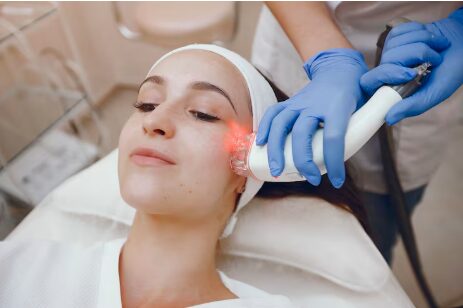
A growing number of people researching skin renewal options now come across moxi laser treatments during online searches and consultations. Part of the appeal comes from the recovery process. Many people feel uncomfortable booking aggressive procedures because they do not want long healing periods or obvious redness. That hesitation stops more people than clinics probably admit. Moxi treatments seem easier for people who want visible skin improvement without having to step away from work, social plans, or daily responsibilities for too long.
Customized Skin Care Feels More Personal Now
Patients also spend more time comparing providers before booking appointments. Define Clinic often enters those conversations because people now care about personalized skin plans instead of generic treatment packages. Skin concerns rarely look identical from person to person. Someone dealing with sun damage may also experience changes in texture or uneven pigmentation. Others mainly want preventative care before deeper lines appear. That difference matters. More patients now ask detailed questions instead of blindly trusting marketing claims.
Softer Cosmetic Results Are Becoming More Popular
Beauty standards have changed quietly over the past few years. Heavy cosmetic work no longer appeals to everyone. Many people now prefer subtle improvements that make skin look healthier and more rested, rather than dramatically altered. It sounds simple, though it changes how people choose treatments.
Moxi laser treatments fit that direction because they focus on improving overall skin appearance rather than creating sharp changes overnight. The treatment often targets:
- Mild pigmentation
- Uneven skin texture
- Early fine lines
- Dull-looking skin
- Visible pores
- Sun-related skin changes
Younger adults have also started booking preventative treatments earlier than expected. Years ago, laser procedures mostly attracted older patients. That pattern shifted. People in their late twenties and thirties now seek treatments before deeper wrinkles set in. Some providers call this “prejuvenation.” The word sounds trendy, though the idea behind it stays fairly straightforward.
Social Media Has Changed How People View Their Skin
Phone cameras changed things, too. Modern cameras pick up tiny details people barely noticed years ago. Texture irregularities, pigmentation, and tired skin become easier to spot under direct lighting. After staring at edited photos online all day, many people become overly aware of small imperfections. Maybe too aware sometimes.
That pressure influences treatment decisions more than people openly admit. A procedure with shorter downtime naturally becomes more attractive to busy professionals, parents, and people constantly around others. Long recovery periods scare people off. Few want to disappear for days, waiting for redness or peeling to calm down.
Recovery Time Matters More Than Clinics Realize
A shorter recovery period often shapes the final decision. Many patients already feel nervous before treatment even begins. If recovery sounds too intense, they usually postpone the appointment altogether.
| Concern | Why It Worries Patients |
| Redness after treatment | Fear of drawing attention |
| Peeling skin | Difficulty attending work or events |
| Pain during sessions | Anxiety before appointments |
| Long healing periods | Disrupted schedules and routines |
Some patients care less about the treatment itself and more about how quickly life returns to normal afterward. That emotional side affects decision-making quite a bit, even if people rarely explain it directly.
More Patients Now Ask About Collagen Changes
Skin naturally changes with age. Collagen levels slowly decrease, and skin does not bounce back the same way forever. That process happens gradually, which makes it easy to ignore at first. Then one day, the skin suddenly looks thinner, rougher, or less firm under certain lighting.
That is one reason treatments that stimulate collagen continue to attract attention. People want skin improvement that develops naturally over time instead of harsh changes appearing all at once. During consultations, many patients eventually come across the phrase collagen remodeling while researching skin renewal options. The topic usually comes up once people realize smoother skin often depends on deeper repair happening below the surface.
Patients Compare Different Types of Laser Treatments
People researching cosmetic procedures rarely look at only one option. Most compare several treatments before deciding what feels right for their skin concerns. That process often leads them toward learning about laser resurfacing and how different laser technologies work.
Some lasers focus heavily on deeper wrinkles and stronger correction. Others aim for milder skin concerns with less recovery afterward. Patients usually prefer understanding those differences before committing to appointments. A treatment may sound appealing online, though skin condition, lifestyle, and recovery tolerance still shape the final choice.
Many providers also combine laser sessions with broader skin maintenance plans. Treatments alone rarely carry long-term results without proper skin care habits afterward. Sunscreen use, hydration, and consistent routines still matter more than many people expect.
Sun Damage Still Affects Skin More Than People Think
Sun exposure remains one of the biggest reasons skin changes over time. The tricky part is that damage builds slowly. Most people do not notice it immediately. Years pass, then uneven pigmentation, rough patches, and dull texture suddenly appear more visible than before.
That delayed effect catches many people off guard. Treatments like Moxi usually attract patients hoping to improve those early signs before they become harder to manage later. Some people start treatments after noticing changes in photos. Others realize it as they get ready under bright bathroom lighting. Small moments like that often trigger bigger skincare decisions.
There is also a confidence factor attached to healthier-looking skin. People sometimes feel more comfortable speaking in public, attending events, or taking photos without relying heavily on filters or makeup. Those reactions influence treatment interest just as much as cosmetic goals do.
Questions Patients Usually Ask Before Booking
Most people still approach laser treatments cautiously, which makes sense. Cosmetic procedures involve time, planning, and emotional investment. Patients often spend weeks researching before scheduling consultations.
A few questions appear repeatedly:
- How long does recovery take?
- Does the procedure feel painful?
- When do results become visible?
- How many sessions are usually needed?
- Can different skin tones receive treatment safely?
- What happens during aftercare?
People expecting dramatic overnight changes sometimes leave disappointed. Skin treatments usually work gradually. Slow improvement often creates the most natural-looking outcome anyway.
Final Thoughts
The growing interest in Moxi laser treatments says a lot about where modern skin care is heading. People want healthier-looking skin without dramatic cosmetic changes or long recovery periods. They want treatments that fit around work, social plans, and normal life. That balance keeps pushing gentle skin-rejuvenation treatments into broader conversations across clinics and online searches.