

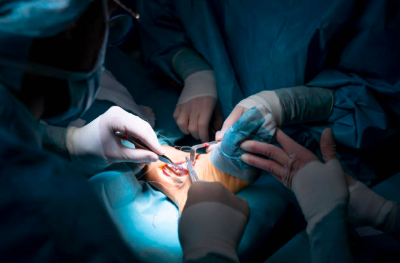
Severe ankle injuries are no longer limited to simple sprains or fractures. Many cases now involve layered damage across ligaments, cartilage, and bone alignment, making recovery more complex. Patients often underestimate the severity at first, which delays their proper care. That delay can quietly worsen the condition and complicate long-term mobility and stability outcomes.
Choosing ankle surgery Houston connects patients with specialists who deliver precise surgical care that improves stability, reduces complications, and supports faster recovery outcomes. This level of focused treatment helps doctors address complex ankle damage more effectively. Patients receive targeted solutions that correct underlying issues, which strengthens long-term joint performance and reduces the chances of repeat injuries.
When Injuries Become More Than Just a Sprain
Hidden Structural Damage Revealed: What appears to be a minor injury can mask deeper problems involving ligaments and cartilage. Many patients continue walking on unstable ankles, worsening the damage. Over time, this can shift joint alignment and create uneven pressure. Conditions like ligament injuries often progress silently until stability becomes noticeably compromised.
Delayed Treatment Consequences Build Up: Ignoring pain or relying on temporary fixes often leads to chronic instability. The ankle may feel weak, prone to rolling, or unreliable during daily activities. These issues gradually affect posture and walking patterns. In many cases, untreated injuries evolve into long-term complications that could have been minimized with earlier medical evaluation.
Progression Into Multi Structure Damage: As instability continues, damage spreads beyond one area of the ankle. Ligaments, cartilage, and bone alignment begin to deteriorate together. This layered damage makes treatment more complex and recovery longer. Early intervention helps limit this progression, but delayed care often requires surgical correction to restore proper joint mechanics.
Surgical Pathways That Restore Function
Precision Fixes for Bone Alignment: Severe injuries often involve fractures that disrupt the ankle’s natural structure. Without proper alignment, long-term joint wear becomes inevitable. Surgeons now use advanced methods like fracture fixation to stabilize bones accurately. This approach helps prevent improper healing, which can otherwise lead to arthritis or permanent mobility restrictions.
Minimally Invasive Joint Assessment: Small incisions and advanced tools allow surgeons to examine and treat joint damage without extensive disruption. Techniques such as ankle arthroscopy provide a detailed internal view while reducing recovery time. Patients benefit from less tissue damage and quicker rehabilitation, making it easier to return to daily routines without prolonged discomfort.
Reconstructive Techniques for Stability: In more severe cases, restoring function requires rebuilding damaged structures within the ankle. Procedures focus on correcting alignment, repairing tissues, and reinforcing joint stability. These surgical approaches are designed to handle complex injuries that do not respond to basic treatments, ensuring the ankle regains strength and reliable movement over time.
Beyond Surgery Recovery That Actually Works
Rehabilitation That Rebuilds Strength: Surgery alone does not guarantee full recovery. Structured rehabilitation programs play a major role in restoring movement and strength. Techniques such as physical therapy protocols focus on rebuilding stability and preventing reinjury. Skipping this stage often results in lingering weakness, which increases the risk of future complications.
Long Term Joint Preservation Focus: Modern treatment plans prioritize keeping the natural joint intact whenever possible. Strategies like joint preservation techniques aim to reduce stress on damaged areas while improving function. This approach helps delay or even avoid more invasive procedures later, giving patients better long-term outcomes and more control over mobility.
Gradual Return to Daily Movement: Recovery is not immediate, and pushing too quickly can reverse progress. Patients are guided through controlled movement stages that rebuild confidence and strength. This gradual process ensures that healing tissues adapt properly. It also reduces the likelihood of setbacks that could extend recovery timelines or require additional treatment.
Why Advanced Treatment Makes a Real Difference
Reduced Risk of Chronic Pain: Poorly healed injuries often lead to ongoing discomfort that interferes with daily life. Advanced procedures address both visible damage and underlying weaknesses. This reduces the chance of recurring pain cycles, which can otherwise limit activity levels and affect overall quality of life.
Improved Stability for Active Lifestyles: Patients who stay active need more than temporary relief. They require stability that supports movement under stress. Treatments focused on restoring joint strength help individuals regain confidence in movement. This is especially critical for those involved in sports or physically demanding routines.
Better Long Term Functional Outcomes: Advanced surgical care focuses on preserving natural motion while restoring strength. This balance is critical for maintaining long-term joint health. Patients who receive proper treatment early often experience fewer limitations later. It also reduces the need for additional corrective procedures that may become necessary after poor initial healing.
Key Surgical Advantages Patients Should Know
- Advanced imaging improves surgical accuracy and reduces guesswork during procedures.
- Minimally invasive techniques lower recovery time and reduce visible scarring.
- Personalized treatment plans target specific injury patterns instead of general solutions.
- Structured rehabilitation programs help maintain results and prevent future injuries.
Evidence Based Surgical Planning: Care teams rely on detailed diagnostics and proven methods to guide treatment decisions. Concepts like biomechanics of gait help identify how movement patterns contribute to injury. This insight ensures that surgical corrections address not just the injury but also the root cause behind it.
Integrated Recovery Monitoring Systems: Recovery is closely tracked using modern tools and follow-up assessments. This ensures that progress stays on track and complications are addressed early. Approaches involving postoperative care management help patients stay consistent with rehabilitation, which often determines whether surgical outcomes remain successful long term.
A Future Where Movement Feels Reliable Again
Restoring ankle function is not just about fixing an injury, it is about reclaiming stability, confidence, and long-term mobility. Advanced surgical and reconstructive approaches now offer solutions that go beyond temporary relief. Timely care can prevent lasting damage and reduce future complications. Take the next step toward lasting recovery by consulting a qualified specialist today.