

Introduction
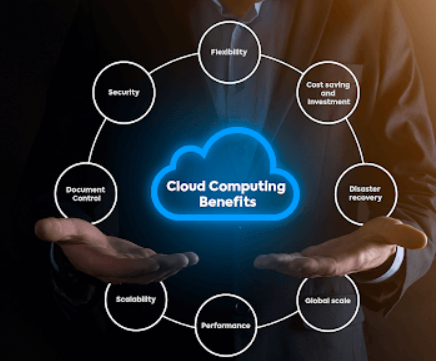
Cloud computing has transformed the way modern businesses store data, manage operations, and deliver services. Instead of relying on expensive physical servers and complex IT systems, companies can now access computing resources through the internet. From small startups to large enterprises, cloud computing offers flexibility, cost savings, security, and improved collaboration.
Businesses across different industries are adopting cloud technology to increase efficiency and stay competitive in the digital world. Understanding the benefits of cloud computing can help organizations make smarter technology decisions and improve long-term growth.
What Is Cloud Computing?
Cloud computing is the delivery of computing services such as storage, servers, databases, networking, and software through the internet. Rather than storing files and applications on local devices or office servers, businesses can access them online from secure cloud platforms.
Popular cloud services include:
- Cloud storage
- Online software applications
- Virtual servers
- Backup and recovery systems
- Collaboration platforms
Cloud computing allows employees and business owners to work from anywhere with an internet connection.
Reduced Business Costs
One of the biggest advantages of cloud computing is cost reduction. Traditional IT infrastructure requires businesses to purchase expensive hardware, software licenses, and maintenance services. Cloud solutions eliminate many of these costs.
Lower Hardware Expenses
Businesses no longer need large physical servers or dedicated data centers. Cloud providers handle infrastructure management, reducing equipment costs.
Pay-As-You-Go Pricing
Most cloud services use flexible pricing models. Businesses only pay for the resources they use, helping reduce unnecessary expenses.
Reduced Maintenance Costs
Cloud providers manage updates, maintenance, and security patches, which lowers IT support costs and saves time.
Improved Data Security
Security is a major concern for modern businesses, especially when handling sensitive customer information. Cloud computing providers invest heavily in advanced security systems to protect data.
Data Encryption
Cloud platforms use encryption to secure files during storage and transfer.
Automatic Security Updates
Businesses receive regular security updates without manual installation.
Backup and Disaster Recovery
Cloud services automatically back up data, reducing the risk of data loss caused by hardware failure, cyberattacks, or natural disasters.
Better Flexibility and Scalability
Cloud computing makes it easier for businesses to adapt to changing needs.
Easy Resource Scaling
Businesses can quickly increase or decrease storage and computing power depending on demand.
Support for Business Growth
As a company grows, cloud services can expand without requiring major infrastructure upgrades.
Remote Accessibility
Employees can access files, applications, and systems from anywhere, supporting remote work and flexible operations.
Enhanced Team Collaboration
Cloud computing improves communication and teamwork by allowing employees to share information in real time.
File Sharing
Teams can upload, edit, and access documents instantly through cloud platforms.
Real-Time Collaboration
Multiple users can work on the same file simultaneously, improving productivity and reducing delays.
Improved Communication
Cloud-based communication tools support video meetings, messaging, and project management.
Increased Productivity
Cloud solutions automate many routine business tasks and reduce downtime.
Faster Access to Information
Employees can quickly retrieve files and applications without depending on local systems.
Automatic Software Updates
Cloud providers update applications automatically, ensuring businesses always use the latest versions.
Reduced Downtime
Reliable cloud infrastructure minimizes system failures and service interruptions.
Better Business Continuity
Unexpected events such as cyberattacks, hardware failures, or power outages can disrupt operations. Cloud computing helps businesses recover quickly.
Data Recovery Solutions
Cloud backup systems allow businesses to restore important files rapidly.
Reliable Operations
Many cloud providers use multiple data centers to maintain service availability even during technical issues.
Remote Business Access
Employees can continue working remotely during emergencies or office closures.
Environmental Benefits of Cloud Computing
Cloud computing can also support environmental sustainability.
Lower Energy Consumption
Shared cloud infrastructure often uses energy more efficiently than individual company servers.
Reduced Electronic Waste
Businesses purchase fewer physical devices, reducing hardware waste.
Support for Green Technology
Many cloud providers invest in renewable energy and environmentally friendly operations.
Improved Customer Service
Cloud technology helps businesses deliver faster and more efficient customer support.
Faster Response Times
Customer service teams can access information quickly from cloud systems.
Better Data Management
Cloud-based customer relationship management systems organize customer information efficiently.
24/7 Accessibility
Online cloud services help businesses stay connected with customers at all times.
Competitive Advantage
Businesses using cloud computing can often innovate faster and respond quickly to market changes.
Faster Deployment of Services
Companies can launch new applications and services more rapidly.
Access to Advanced Technology
Cloud platforms provide tools such as artificial intelligence, analytics, and automation.
Improved Market Adaptability
Businesses can respond to customer demands and industry trends more efficiently.
Common Types of Cloud Computing
There are several cloud computing models businesses can choose from.
Public Cloud
Services are shared through third-party providers and accessed over the internet.
Private Cloud
Dedicated cloud infrastructure designed for a single organization.
Hybrid Cloud
A combination of public and private cloud systems for greater flexibility.
Challenges Businesses Should Consider
Although cloud computing offers many advantages, businesses should also understand potential challenges.
Internet Dependency
Cloud systems require reliable internet access.
Data Privacy Concerns
Businesses must choose trusted cloud providers with strong security measures.
Migration Complexity
Moving existing systems to the cloud may require planning and technical support.
Tips for Choosing the Right Cloud Service
Businesses should evaluate their needs carefully before selecting a cloud provider.
Important factors include:
- Security features
- Pricing structure
- Storage capacity
- Customer support
- Scalability options
- Compliance standards
Choosing the right provider can improve efficiency and long-term performance.
Conclusion
Cloud computing has become an essential technology for modern businesses. It helps reduce costs, improve security, increase flexibility, and support better collaboration. From small businesses to global corporations, cloud services offer powerful tools that improve productivity and business continuity.
As technology continues to evolve, cloud computing will remain a key part of digital transformation. Businesses that adopt cloud solutions can improve efficiency, stay competitive, and prepare for future growth in an increasingly digital world.
FAQs
What is the main benefit of cloud computing for businesses?
The main benefit is improved flexibility and reduced operational costs while providing secure access to data and applications.
Is cloud computing safe for businesses?
Yes, most trusted cloud providers use advanced security measures such as encryption, firewalls, and regular security updates.
Can small businesses benefit from cloud computing?
Yes, cloud computing is highly beneficial for small businesses because it reduces infrastructure costs and improves scalability.
Does cloud computing require internet access?
Yes, most cloud services require a stable internet connection to access files and applications online.
What industries use cloud computing?
Many industries use cloud computing, including healthcare, finance, education, retail, technology, and manufacturing.