

Introduction
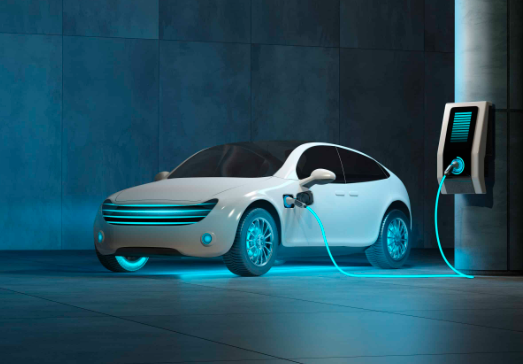
Electric vehicles and smart transportation systems are rapidly transforming the future of mobility. As technology continues to advance, governments, businesses, and consumers are moving toward cleaner, safer, and more efficient transportation solutions. Rising fuel costs, environmental concerns, and innovations in artificial intelligence are accelerating the shift from traditional gasoline-powered vehicles to electric and connected transportation systems.
The future of transportation is expected to include electric cars, autonomous vehicles, smart traffic systems, and sustainable public transportation networks. These innovations aim to reduce pollution, improve road safety, and create more efficient travel experiences for people around the world.
What Are Electric Vehicles?
Electric vehicles, commonly called EVs, are cars and transportation systems powered by electricity instead of gasoline or diesel fuel. EVs use rechargeable batteries and electric motors to operate.
There are different types of electric vehicles:
- Battery Electric Vehicles (BEVs)
- Hybrid Electric Vehicles (HEVs)
- Plug-In Hybrid Electric Vehicles (PHEVs)
- Hydrogen Fuel Cell Vehicles
Electric vehicles are becoming more popular due to lower operating costs and reduced environmental impact.
Growth of the Electric Vehicle Industry
The electric vehicle industry has experienced rapid growth in recent years. Major automobile companies are investing heavily in EV technology and battery production.
Increasing Consumer Demand
Many consumers are choosing EVs because they offer lower fuel expenses and environmentally friendly transportation.
Government Support
Governments worldwide are encouraging EV adoption through tax incentives, subsidies, and stricter emissions regulations.
Expanding Charging Infrastructure
The growing number of charging stations is making electric vehicles more practical for daily use and long-distance travel.
Environmental Benefits of Electric Vehicles
One of the biggest reasons for EV adoption is environmental sustainability.
Reduced Air Pollution
Electric vehicles produce little to no tailpipe emissions, helping improve air quality in cities.
Lower Greenhouse Gas Emissions
EVs can significantly reduce carbon emissions, especially when powered by renewable energy sources.
Reduced Dependence on Fossil Fuels
Electric transportation decreases the need for gasoline and diesel fuel.
Advances in Battery Technology
Battery technology plays a major role in the future of electric transportation.
Longer Driving Range
Modern EV batteries can travel much farther on a single charge compared to older models.
Faster Charging Speeds
New charging technologies reduce the time needed to recharge electric vehicles.
Improved Battery Lifespan
Battery manufacturers are developing longer-lasting and more durable batteries.
Solid-State Batteries
Future solid-state batteries may offer higher energy density, better safety, and faster charging capabilities.
Smart Transportation Systems
Smart transportation uses digital technology, sensors, artificial intelligence, and internet connectivity to improve traffic flow and transportation efficiency.
Smart Traffic Management
Traffic systems can analyze road conditions and reduce congestion using real-time data.
Connected Vehicles
Modern vehicles can communicate with each other and with traffic infrastructure to improve safety.
Intelligent Public Transportation
Smart buses and trains use technology to optimize routes, schedules, and passenger experiences.
Autonomous Vehicles and Self-Driving Technology
Self-driving technology is expected to become an important part of future transportation.
Artificial Intelligence in Vehicles
Autonomous vehicles use cameras, sensors, and AI software to navigate roads safely.
Improved Road Safety
Self-driving systems may reduce accidents caused by human error.
Increased Transportation Accessibility
Autonomous transportation could help elderly individuals and people with disabilities travel more easily.
The Role of Renewable Energy
The future of electric transportation is closely connected to renewable energy development.
Solar and Wind Power Integration
Charging stations powered by renewable energy can further reduce environmental impact.
Smart Energy Grids
Future smart grids may balance electricity demand more efficiently for EV charging.
Vehicle-to-Grid Technology
Some EVs may return unused electricity back to the power grid during peak demand periods.
Benefits of Smart Transportation
Smart transportation systems offer several advantages for cities and commuters.
Reduced Traffic Congestion
Intelligent traffic systems can improve traffic flow and reduce delays.
Improved Fuel Efficiency
Efficient transportation planning helps reduce unnecessary energy use.
Enhanced Safety Features
Connected systems can warn drivers about accidents, hazards, and road conditions.
Better Urban Mobility
Smart transportation can support efficient public transit and shared mobility services.
Challenges Facing Electric Vehicles and Smart Transportation
Despite rapid growth, several challenges still exist.
High Initial Costs
Electric vehicles and advanced transportation technologies can still be expensive for some consumers.
Charging Infrastructure Limitations
Some regions still lack sufficient charging stations.
Battery Production Concerns
Battery manufacturing requires rare materials and can create environmental challenges.
Cybersecurity Risks
Connected transportation systems may face cybersecurity threats and data privacy concerns.
Future Innovations in Transportation
Transportation technology is expected to evolve significantly in the coming years.
Wireless EV Charging
Future systems may allow vehicles to charge wirelessly while parked or driving.
Flying Vehicles and Air Mobility
Companies are exploring electric flying taxis and urban air transportation systems.
Hyperloop Transportation
High-speed transportation systems may reduce travel times between cities.
Smart Cities Integration
Transportation systems may become fully integrated into smart city infrastructure.
Impact on Businesses and the Economy
The transition to electric and smart transportation is creating new economic opportunities.
Job Creation
The EV industry supports jobs in manufacturing, software development, battery production, and infrastructure.
Growth of Technology Industries
Smart transportation increases demand for AI, sensors, cybersecurity, and communication technologies.
Reduced Fuel Costs
Businesses using electric fleets can lower transportation expenses over time.
The Future of Public Transportation
Public transportation systems are also becoming smarter and more sustainable.
Electric Buses and Trains
Many cities are adopting electric public transportation to reduce pollution.
Digital Ticketing Systems
Mobile apps and contactless payment systems improve convenience for passengers.
Real-Time Passenger Information
Smart systems provide live updates about routes, schedules, and delays.
Conclusion
The future of electric vehicles and smart transportation looks highly promising. Advances in battery technology, artificial intelligence, renewable energy, and smart infrastructure are reshaping how people travel and interact with transportation systems. Electric vehicles offer cleaner and more energy-efficient alternatives to traditional transportation, while smart systems improve safety, reduce congestion, and support sustainable urban development.
As governments, businesses, and technology companies continue investing in innovation, transportation is expected to become more connected, intelligent, and environmentally friendly. The transition toward electric and smart mobility will likely play a major role in building a cleaner and more efficient future for generations to come.
FAQs
What are electric vehicles?
Electric vehicles are automobiles powered mainly by electricity using rechargeable batteries instead of gasoline or diesel fuel.
Why are electric vehicles becoming popular?
They are becoming popular because they reduce fuel costs, lower emissions, and support environmental sustainability.
What is smart transportation?
Smart transportation uses technology such as sensors, AI, and connected systems to improve traffic management and transportation efficiency.
Are self-driving cars part of smart transportation?
Yes, autonomous or self-driving vehicles are an important part of future smart transportation systems.
What are the biggest challenges for electric vehicles?
Major challenges include charging infrastructure, battery costs, charging time, and raw material availability for battery production.