

Introduction
Wearable technology has become one of the fastest-growing trends in the modern digital world. From smartwatches and fitness bands to smart glasses and health-monitoring devices, wearable technology is changing how people track health, communicate, and manage daily activities. Fitness trackers, in particular, have gained massive popularity because they help users monitor physical activity, sleep, heart rate, and overall wellness in real time.
As technology continues to evolve, wearable devices are becoming smarter, more accurate, and more connected to healthcare and lifestyle systems. The rise of wearable technology reflects the growing demand for healthier lifestyles, convenience, and personalized digital experiences.
What Is Wearable Technology?
Wearable technology refers to electronic devices designed to be worn on the body. These devices use sensors, software, and wireless connectivity to collect and share information.
Common examples of wearable technology include:
- Smartwatches
- Fitness trackers
- Smart rings
- Smart glasses
- Health monitoring devices
- GPS sports watches
Wearable devices are often connected to smartphones or cloud-based applications to provide real-time data and insights.
What Are Fitness Trackers?
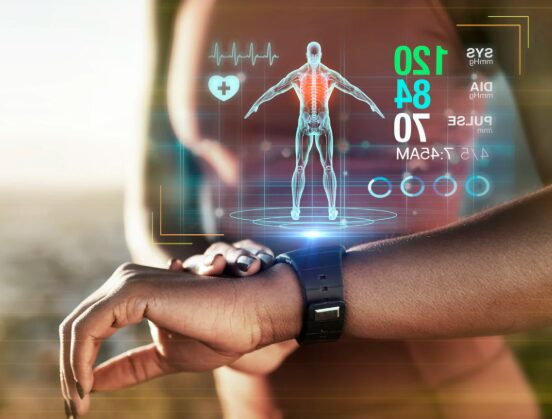
Fitness trackers are wearable devices that monitor physical activities and health-related data. They are commonly worn on the wrist and use sensors to track movement and body functions.
Most fitness trackers can monitor:
- Steps taken
- Calories burned
- Heart rate
- Sleep quality
- Distance traveled
- Exercise performance
These devices help users stay motivated and improve their health habits.
The Growing Popularity of Wearable Technology
Wearable technology has become increasingly popular among people of all ages.
Increased Health Awareness
Many people now prioritize fitness and wellness, making wearable devices valuable tools for tracking health goals.
Improved Technology
Modern wearables offer better battery life, advanced sensors, and improved accuracy.
Smartphone Integration
Wearable devices easily connect with mobile apps, making it convenient to analyze health and fitness data.
Fashion and Design Improvements
Today’s wearable devices are more stylish and comfortable, increasing consumer interest.
Benefits of Fitness Trackers
Fitness trackers offer several advantages that support healthier lifestyles and better personal awareness.
Activity Monitoring
Users can track daily movement, exercise routines, and physical activity levels.
Heart Rate Tracking
Modern fitness trackers provide continuous heart rate monitoring during rest and exercise.
Sleep Tracking
Many devices analyze sleep patterns and help users improve sleep quality.
Goal Setting and Motivation
Fitness apps encourage users to achieve daily activity goals and maintain healthy habits.
Calorie Tracking
Users can estimate calories burned during workouts and daily activities.
Wearable Technology in Healthcare
Wearable devices are playing a growing role in the healthcare industry.
Remote Patient Monitoring
Doctors can monitor patients’ health data remotely using wearable devices.
Early Health Detection
Some wearables can detect abnormal heart rhythms, oxygen levels, and stress indicators.
Chronic Disease Management
Patients with conditions such as diabetes or heart disease can use wearables for continuous monitoring.
Emergency Alerts
Certain smartwatches can send emergency notifications after detecting falls or medical emergencies.
The Role of Artificial Intelligence in Wearables
Artificial intelligence is making wearable technology smarter and more personalized.
Personalized Health Insights
AI analyzes user data to provide customized health recommendations.
Predictive Health Monitoring
Advanced systems may identify health risks before serious symptoms appear.
Smart Coaching Features
Wearables can suggest workout plans, recovery times, and wellness improvements.
Wearable Technology for Sports and Fitness
Athletes and fitness enthusiasts widely use wearable devices to improve performance.
Performance Tracking
Sports wearables measure speed, distance, endurance, and workout intensity.
Recovery Monitoring
Athletes can monitor recovery, sleep, and stress levels after training.
GPS and Navigation Features
Fitness devices with GPS help runners, cyclists, and hikers track routes accurately.
Smartwatches and Multi-Function Wearables
Modern smartwatches combine fitness tracking with communication and productivity tools.
Notifications and Calls
Users can receive calls, messages, and app notifications directly on their wrist.
Mobile Payments
Many smartwatches support digital payment systems.
Voice Assistants
Wearables now include virtual assistants for hands-free control and information access.
Challenges of Wearable Technology
Despite their popularity, wearable devices still face several challenges.
Privacy and Data Security
Health and personal data stored on wearables can create privacy concerns.
Battery Life Limitations
Some devices require frequent charging due to advanced features.
Accuracy Issues
Fitness tracking data may not always be perfectly accurate.
High Costs
Advanced wearable devices can be expensive for some consumers.
Future Trends in Wearable Technology
The future of wearable technology is expected to bring major innovations.
Smart Clothing
Future wearable technology may be integrated into clothing and fabrics.
Advanced Health Monitoring
Wearables may provide blood pressure, glucose, and hydration monitoring.
Augmented Reality Wearables
Smart glasses and AR devices may improve communication and navigation.
Smaller and More Comfortable Devices
Future devices are expected to become lighter, more compact, and more efficient.
Wearable Technology and Mental Health
Wearables are also being used to support emotional wellness and stress management.
Stress Tracking
Some devices measure stress levels using heart rate and breathing patterns.
Meditation and Relaxation Tools
Wearable apps provide guided breathing exercises and mindfulness features.
Mood and Wellness Insights
Future devices may help users better understand emotional patterns and mental health.
Environmental and Social Impact
The wearable technology industry also affects society and the environment.
Increased Digital Connectivity
Wearables help people stay connected and informed throughout the day.
Electronic Waste Concerns
Growing demand for devices may increase electronic waste if not recycled properly.
Sustainable Technology Development
Many companies are working on eco-friendly materials and energy-efficient designs.
Conclusion
The rise of wearable technology and fitness trackers is reshaping the future of health, fitness, and personal technology. These devices help users monitor activity, improve wellness, track medical conditions, and stay connected in daily life. With advancements in artificial intelligence, healthcare integration, and smart design, wearable technology is becoming more powerful and useful than ever before.
As innovation continues, wearable devices are expected to play an even greater role in preventive healthcare, sports performance, communication, and smart living. The future of wearable technology promises more convenience, better health monitoring, and deeper integration into everyday life.
FAQs
What is wearable technology?
Wearable technology refers to electronic devices worn on the body that collect and process data using sensors and software.
What do fitness trackers measure?
Fitness trackers commonly measure steps, heart rate, sleep quality, calories burned, and exercise activity.
Are fitness trackers accurate?
Most modern fitness trackers are reasonably accurate, but results may vary depending on the device and activity type.
Can wearable devices improve health?
Yes, wearable devices can encourage healthier habits, activity tracking, and better awareness of physical wellness.
What is the future of wearable technology?
The future may include smart clothing, advanced health monitoring, AI-powered insights, and more compact wearable devices.