

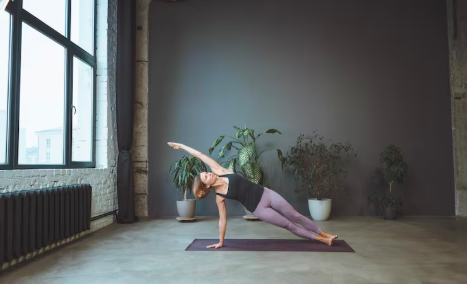
Fitness used to revolve around intensity. Harder workouts. Longer sessions. More pressure. A lot of people followed those routines for months, then quietly stopped showing up. Burnout catches up fast. Tight shoulders, poor sleep, low motivation, and constant soreness become normal after a while. That cycle pushed many people to search for something that feels sustainable instead of exhausting. Yoga entered that conversation at the right time, perhaps even earlier than expected.
The growing interest in vinyasa yoga in San Diego clearly reflects that shift. People want movement that challenges the body without draining the mind. Vinyasa classes create a flow between breathing and movement, changing how exercise feels. You still sweat. Your muscles still work hard. Yet the session feels calmer somehow. Many students notice the difference after the first class. Others take longer. Still, they keep returning because the experience feels manageable instead of overwhelming.
Studios like Tranquil Tree Yoga are also helping people rethink what fitness should look like. Years ago, yoga classes carried a strange reputation. Some assumed they were too spiritual. Others believed only flexible people belonged there. That hesitation still exists a little, though it fades quickly once someone joins a beginner class. The environment usually feels quieter, less performative, and, honestly, less stressful than crowded gyms, where everyone seems to compete without saying it outright.
Why Vinyasa Yoga Feels Different
Here is why many people connect with Vinyasa faster than expected. The body keeps moving during class. Breathing patterns guide each transition, which creates rhythm and focus at the same time. A wandering mind has less room to spiral because attention shifts toward movement. Some students describe the experience as mentally clearing. Others just say they feel lighter afterward. Maybe both reactions are true.
Many workouts focus solely on physical appearance. Yoga often reaches deeper concerns that people rarely admit openly. Stress levels rise quietly over time. Sleep gets worse. Posture collapses after long workdays. The body stores tension almost everywhere. Vinyasa classes address several of those problems together. Better flexibility helps, of course. Better breathing patterns matter too. Some students even notice fewer headaches after consistent practice, which surprises them more than weight-related changes.
The Mental Side Matters More Than People Expect
People often underestimate how much mental fatigue affects physical health. Constant notifications, work pressure, and overstimulation make it difficult to relax fully. Even during rest, many people stay mentally alert. That pattern creates exhaustion that sleep alone cannot fix. Yoga interrupts that cycle for an hour. Phones stay silent. Breathing slows down. The nervous system finally gets a break, even if only briefly.
Let’s break it down further. Vinyasa yoga encourages controlled diaphragmatic breathing, which helps regulate oxygen intake and reduce body tension. Many instructors teach students how to match movement with breath during transitions. That coordination improves concentration naturally. At first, beginners may struggle to keep up. Then something shifts after several classes. Movements start feeling smoother. Breathing becomes steadier. Daily stress feels slightly easier to manage.
Why San Diego Residents Are Drawn to Yoga
San Diego already supports an active lifestyle, though many residents no longer want aggressive fitness routines every single day. Outdoor workouts remain popular, yet people increasingly search for recovery-focused movement. Vinyasa yoga fits naturally into that lifestyle. Beach classes, open-air studios, and quieter wellness spaces attract people who want balance instead of pressure.
The city also attracts professionals with demanding schedules. Long hours spent sitting at desks can cause stiffness in the hips, neck, and lower back. That physical tension builds slowly. Many people ignore it until pain interrupts daily life. Yoga helps address those movement limitations before they become harder to reverse. Students often begin because of discomfort, though they continue because they enjoy how their bodies feel afterward.
Some common reasons people try Vinyasa yoga include:
- Reduced stress after work
- Improved flexibility and posture
- Better balance and coordination
- Relief from muscle tightness
- A calmer fitness environment
The Fear of Falling Behind Physically Is Real
A quiet fear sits behind many fitness decisions. People worry about aging poorly. They worry about losing mobility, gaining weight, or feeling disconnected from their bodies. Those fears rarely appear directly in advertisements, though they constantly influence behavior. Yoga speaks to those concerns without creating shame around them.
Traditional workout spaces sometimes create pressure that discourages beginners. People compare themselves constantly. Yoga classes tend to feel different. Modifications exist for nearly every pose. Students progress at different speeds, and most instructors encourage patience instead of perfection. That slower approach builds consistency, which often matters more than intensity anyway.
Mobility training has become another reason people turn toward yoga classes. Fitness conversations now include joint health, posture correction, and long-term movement quality more often than before. That shift happened for good reason. Sedentary routines affect nearly everyone now, even active people. Tight hips, weak core muscles, and shoulder tension appear surprisingly early in adulthood.
Small Physical Changes Often Lead to Bigger Lifestyle Shifts
The physical changes from Vinyasa yoga usually appear gradually. Better posture may show up first. Some people notice easier movement when getting out of bed. Others sleep more comfortably or no longer feel stiff during long drives. Those improvements sound minor at first. Then they start affecting everyday life in noticeable ways.
Next steps become easier once people experience those early wins. They drink more water. They stretch more consistently. Some start paying closer attention to recovery and sleep habits. The routine spills into other parts of life without forcing dramatic changes. That gradual progress feels realistic, which probably explains why many students stick with yoga longer than expected.
A typical Vinyasa session often includes:
| Focus Area | What Students Notice |
| Breath control | Better concentration |
| Stretching | Less stiffness |
| Balance work | Improved stability |
| Core engagement | Better posture |
| Controlled movement | Smoother mobility |
Why This Trend Will Probably Continue
Fitness trends come and go quickly. People move from one program to another, searching for fast results. Yoga seems different because it addresses both physical and mental strain together. That combination keeps attracting people who feel burned out by traditional exercise culture.
Vinyasa yoga gives people structure without excessive pressure. It creates movement without constant competition. More importantly, it helps people reconnect with their bodies before stress, poor posture, and exhaustion become permanent habits. That balance matters now more than ever, especially in fast-moving cities where burnout feels strangely common.
Conclusion
Vinyasa yoga continues growing across San Diego because people want fitness that supports real life, not just appearance goals. The combination of movement, breathing, flexibility, and mental focus creates an experience that many people find easier to maintain over the long term. Classes feel approachable, calming, and physically engaging at the same time. That balance keeps students returning even after fitness trends shift elsewhere.